


Nel settore dell'edilizia residenziale, gli ampliamenti delle case – che si tratti di estendere la struttura verso il giardino, costruire una veranda o aggiungere una suite padronale al secondo piano – sono molto redditizi ma tecnicamente complessi. La sfida principale non è misurare il nuovo spazio, bensì riprodurre con precisione le condizioni esistenti ("as-built") nel punto di incontro tra la vecchia struttura e la nuova. Non è possibile progettare un ampliamento senza conoscere esattamente come la planimetria interna si allinea con la facciata esterna, la pendenza delle fondamenta e le linee del tetto esistenti.
Sebbene le applicazioni per smartphone dei consumatori abbiano reso accessibili le misurazioni interne, si scontrano con un ostacolo insormontabile non appena si esce all'aperto. Per le vere espansioni strutturali, gli appaltatori generali professionisti stanno passando a componenti professionali. Ecco una spiegazione tecnica di come ottenere risultati impeccabili. mappatura delle coordinate interne ed esterne in una singola camminata ininterrotta utilizzando il Scanner LiDAR FJD Trion V4e.
1. Il collo di bottiglia della "cecità solare" nella scansione tramite telefono cellulare
Per capire perché le app di scansione per i consumatori falliscono con le aggiunte alle case, bisogna analizzare il contesto. I sensori di profondità dei telefoni cellulari e le telecamere passive si basano in gran parte sul tracciamento visivo e sui modelli a infrarossi.
- La realtà all'aria aperta: Nel momento in cui esci dalla porta sul retro e ti ritrovi sotto la luce accecante del sole americano, la radiazione solare ambientale satura completamente il sensore del telefono. Il tracciamento si interrompe, l'app perde l'orientamento e diventa impossibile catturare un'immagine nitida del tetto o del rivestimento esterno.
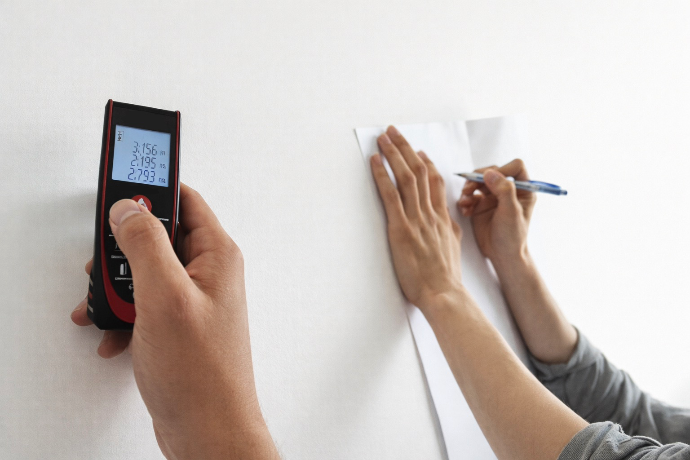
- La trappola della cucitura manuale: Per ovviare a questo problema, gli appaltatori spesso scansionano l'interno della cucina con un'app, misurano manualmente l'esterno con un metro o un righello e cercano di "unire a tentoni" i due mondi nel loro software CAD. Questo introduce una serie di errori umani che portano a costose rilavorazioni della struttura durante la fase di costruzione. Per eliminare completamente questo rischio, i costruttori di case personalizzate utilizzano i nostri dispositivi portatili professionali. Soluzioni hardware Scan-to-BIM per definire un quadro di riferimento strutturalmente rigido, basato sulla realtà dei fatti.
2. Vera continuità interno-esterno in un unico sistema di coordinate
IL Scanner LiDAR FJD Trion V4e Elimina il confine tra spazi interni ed esterni. Grazie all'utilizzo di un sensore laser SLAM indipendente di alta qualità e di livello industriale, non si basa sulla luce ambientale o sui sensori ottici dei telefoni cellulari per calcolare la propria posizione.
Guida completa senza interruzioni: Con una configurazione LiDAR resistente alla luce solare, il flusso di lavoro è completamente continuo. Puoi iniziare la scansione in profondità in un seminterrato buio o in un vespaio della cucina non illuminato, attraversare il soggiorno, uscire dalla porta del patio e scansionare l'intera facciata esterna, le sporgenze strutturali e il pendio del cortile. Poiché l'algoritmo SLAM traccia continuamente l'ambiente, le stanze interne e le pareti esterne sono bloccate nel identico sistema di coordinate Automaticamente. Nessun allineamento manuale, nessuna incertezza.
Grazie a una portata attiva di 50 metri, lo scanner consente di rimanere in sicurezza a terra mentre si rilevano pendenze complesse dei tetti e linee di grondaia con una densità di dati a livello millimetrico, evitando di dover utilizzare scale pericolose solo per una misurazione preliminare.
3. Accelerare i progetti di ampliamento della casa senza ricorrere al pedaggio del SaaS
Acquisire i dati sul campo è solo metà del lavoro; la vera magia avviene quando si trasformano questi dati spaziali complessi in un progetto presentabile per l'approvazione dei permessi locali.
Invece di costringerti a una pesante pipeline di elaborazione di nuvole di punti, l'ecosistema FJD Trion utilizza l'intelligente cloud-hosted Modello web FJD Trion piattaforma. Il flusso di lavoro è progettato per consentirti di accedere immediatamente al tuo desktop di progettazione:
| Esecuzione sul campo | Elaborazione cloud | Output CAD/BIM |
|---|---|---|
| Passeggiata continua che permette di apprezzare sia la disposizione interna che l'involucro esterno. | Il modello Trion elimina automaticamente i rumori di movimento e isola le pareti strutturali. | Con un solo clic, la funzione di sezionamento 2D genera una planimetria e un profilo del sito in formato DXF perfettamente allineati. |
Poiché la piattaforma è interamente senza abbonamento, non dovrai sostenere alcun costo di esportazione per metro quadro. Puoi generare mappe base DXF illimitate per i progetti delle tue aggiunte residenziali, trascinando la geometria in scala reale direttamente in Chief Architect, AutoCAD o Revit. Se il tuo obiettivo principale è ridurre drasticamente le ore di progettazione, dai un'occhiata alla nostra soluzione dedicata. Flusso di lavoro automatizzato di scansione per la creazione di disegni CAD Scopri come generare istantaneamente vettori precisi a partire da dati laser grezzi. Potrai visualizzare immediatamente l'esatta posizione del rivestimento esterno rispetto all'isola interna della cucina, consentendoti di progettare i collegamenti strutturali con la massima sicurezza fin dal primo giorno.
Massimizza la precisione, elimina le rilavorazioni dell'inquadratura.
Quando un progetto di ampliamento di una casa va storto, di solito è perché il rilievo iniziale del sito non ha rilevato una sottile deformazione strutturale o una parete esterna non in squadra. Affidarsi alle app per dispositivi mobili dei consumatori per queste misurazioni cruciali è un azzardo operativo. Passando a un sistema dedicato come il Scanner LiDAR FJD Trion V4eIn questo modo, otterrete un'assoluta indipendenza ambientale, una mappatura dei dati senza soluzione di continuità tra interno ed esterno e un percorso semplificato verso i disegni costruttivi finali.
Domande frequenti (FAQ)
Lo scanner LiDAR FJD Trion V4e è in grado di mappare gli esterni degli edifici in pieno sole?
Sì. A differenza dei telefoni cellulari di consumo e delle app basate sulla visualizzazione che soffrono di errori di tracciamento in ambienti esterni, il Scanner LiDAR FJD Trion V4e Utilizza un sensore LiDAR professionale resistente alla luce solare. Funziona in modo impeccabile anche in pieno sole, consentendo di acquisire immagini di facciate, tetti e topografia esterna senza perdita di dati.
Come fa il sistema a garantire la corrispondenza tra le scansioni interne ed esterne?
Il sistema si basa su un algoritmo SLAM avanzato in tempo reale. Eseguendo una scansione continua dall'interno dell'abitazione al giardino esterno, lo scanner traccia costantemente le caratteristiche spaziali. Questo permette di ancorare sia gli ambienti interni che le facciate esterne a un unico sistema di coordinate unificato, eliminando la necessità di unire manualmente set di dati separati.
È previsto un costo per esportare file DXF per il mio software di progettazione architettonica?
No. FJD Trion opera con un modello di business completamente senza abbonamento. Una volta raccolti i dati, è possibile elaborarli ed esportare sezioni vettoriali 2D pulite o nuvole di punti complete come file DXF standard per Chief Architect, AutoCAD o Revit, senza costi mensili ricorrenti o tasse di elaborazione al metro quadro.
Oltre Polycam e Canvas: perché i professionisti della ristrutturazione stanno passando al LiDAR SLAM portatile
La tecnologia LiDAR è migliore delle app per smartphone per la ristrutturazione della casa?