


Varför bärbar LiDAR-skannerteknik är viktig idag
Under senare år har sättet människor fångar och förstår fysiska rum förändrats dramatiskt. Från hemförbättringar och utomhuskartläggning till digital modellering och små byggprojekt letar användare efter snabbare och mer flexibla sätt att samla in rumslig data. Denna växande efterfrågan har fört bärbar LiDAR-skannerteknik i rampljuset.
En skanner är inte längre begränsad till stora företag eller komplexa industriella miljöer. Idag tillåter bärbara och handhållna skannrar enskilda användare att samla in korrekt 3D-data utan komplicerade inställningar. LiDAR-skannererbjuder i synnerhet en kraftfull balans mellan hastighet, noggrannhet och mobilitet, vilket gör snabb 3D-inspelning tillgänglig för en mycket bredare publik.
I takt med att fler användare söker efter skannrar till salu online, hjälper förståelsen för hur bärbara LiDAR-skannrar fungerar och varför de blir viktiga verktyg köpare att fatta välgrundade beslut innan de utforskar en professionell skannerbutik.
Vad är en bärbar LiDAR-skanner och hur fungerar den?
En bärbar LiDAR-skanner är en enhet som använder laserpulser för att mäta avstånd mellan skannern och omgivande objekt. Genom att beräkna den tid det tar för varje laserpuls att återvända genererar skannern exakta rumsliga data och omvandlar dem till en tredimensionell representation av omgivningen.
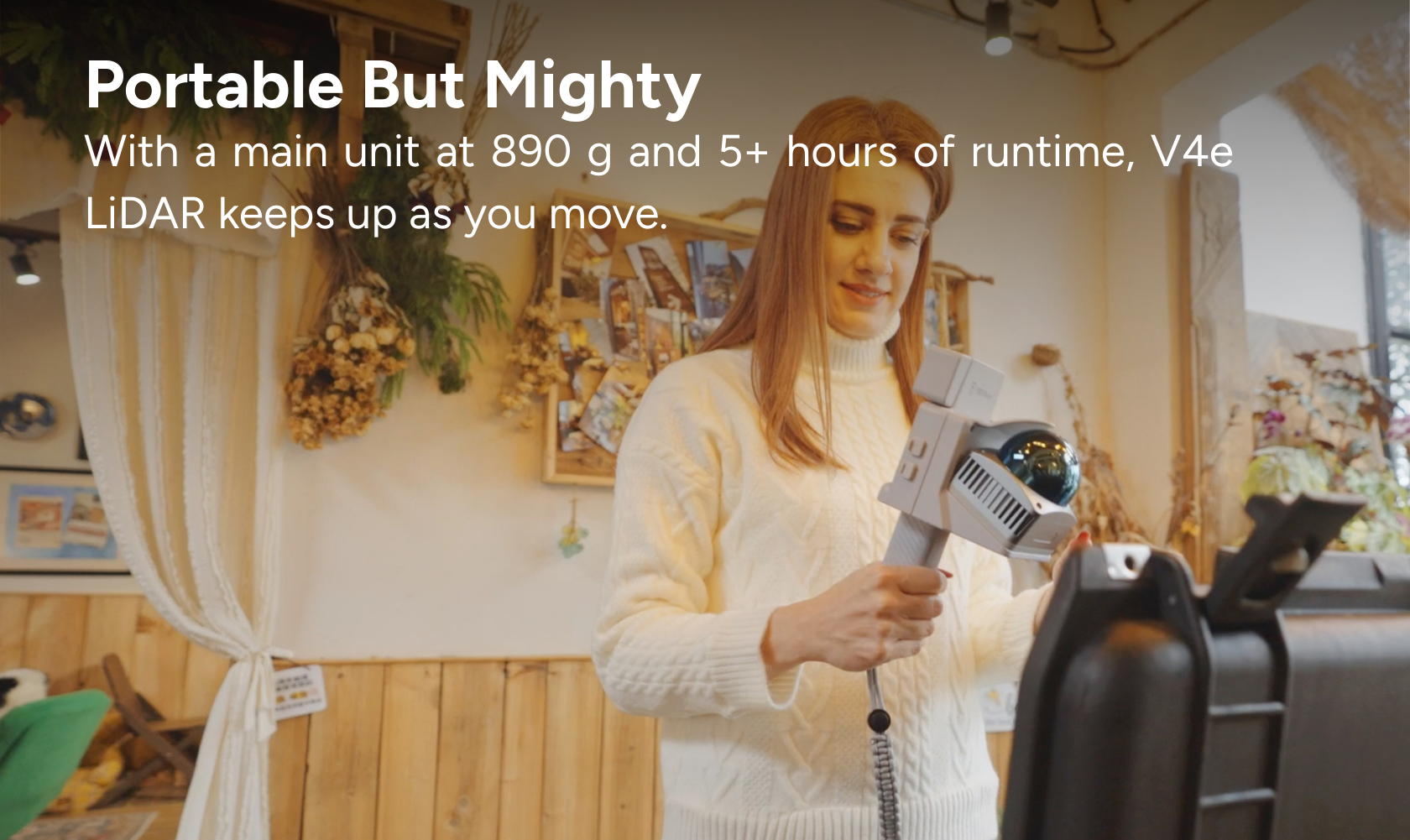
Till skillnad från traditionella stationära laserskannrar är en bärbar skanner utformad för att följa med användaren. Denna mobilitet möjliggör kontinuerlig skanning medan man går genom ett utrymme, vilket gör det möjligt att slutföra projekt mycket snabbare. Moderna LiDAR-skannrar kombinerar ofta lasersensorer med tröghetsmätningssystem och intelligenta algoritmer, vilket säkerställer stabil datainsamling även under rörelse.
För användare som värdesätter effektivitet eliminerar en bärbar skanner behovet av stativ, upprepad ompositionering och långa kalibreringsprocesser.
Snabb 3D-inspelning med en handhållen skanner
Hastighet är en av de viktigaste fördelarna med en handhållen 3D-skanner. Snabb 3D-inspelning innebär att användare kan skanna rum, korridorer, utomhusområden eller komplexa strukturer i en enda session. Denna effektivitet är särskilt viktig för användare som hanterar projekt självständigt eller arbetar med snäva scheman.
En handhållen skanner ger feedback i realtid, vilket gör att användarna kan se insamlad data direkt. Denna funktion hjälper till att säkerställa fullständig täckning och minskar risken för att missa kritiska områden. Jämfört med traditionella metoder förkortar snabba skanningsarbetsflöden projekttiderna avsevärt.
I takt med att bärbara skannrar blir alltmer tillgängliga i nätbutiker kan användare nu köpa 3D-skannrar som levererar professionell prestanda utan komplexitet på företagsnivå.
Realtidsskanning och användarvänliga arbetsflöden
Realtidsskanning är en viktig funktion som förbättrar användbarheten. Under skanningen kan användare omedelbart kontrollera datakvalitet och täckning, vilket minskar omarbete och förbättrar den totala effektiviteten.
En väldesignad skanner fokuserar på enkelhet. Intuitiva kontroller, tydlig visuell feedback och smidig databehandling gör att både nybörjare och erfarna användare kan uppnå tillförlitliga resultat. Denna användarvänlighet är en viktig anledning till att bärbara LiDAR-skannrar blir alltmer populära bland C-slutanvändare.
Bärbar LiDAR-skanner jämfört med traditionell laserskanner
Traditionella laserskannrar är kända för hög noggrannhet men kräver ofta fasta positioner och kontrollerade miljöer. Dessa system är vanligtvis tyngre och mer komplexa att använda. Däremot betonar en bärbar LiDAR-skanner flexibilitet och hastighet.
En mobil skanner kan anpassas till olika miljöer, oavsett om det är inomhus eller utomhus. Användare kan skanna smala utrymmen, ojämn terräng eller stora områden utan att behöva flytta utrustningen. Denna mångsidighet gör bärbara skannrar lämpliga för ett bredare spektrum av tillämpningar.
För användare som letar efter skannrar till salu hjälper förståelsen av denna skillnad till att förklara varför bärbara skanningslösningar i allt högre grad föredras.
Användningsområden för bärbara 3D-skannrar för vardagsanvändare
Bärbara 3D-skannrar används i många praktiska scenarier. Husägare använder skannrar för renoveringsplanering och rumslig mätning. Friluftsentusiaster använder skanningsteknik för terrängkartläggning och landskapsdokumentation.
Kreativa yrkesverksamma förlitar sig på 3D-skannrar för digital modellering och visualisering. Att snabbt fånga verkliga utrymmen gör det möjligt för designers och kreatörer att bygga exakta digitala representationer utan omfattande manuella mätningar.
I takt med att skanningstekniken blir mer tillgänglig via dedikerade skannerbutiker fortsätter dessa applikationer att expandera.
3D-skanning för små projekt och självständigt arbete
Oberoende användare behöver ofta verktyg som är effektiva och enkla att driftsätta. En bärbar skanner passar perfekt in i detta arbetsflöde genom att erbjuda snabb installation och pålitlig prestanda.
För små projekt är hastighet och noggrannhet lika viktigt. En LiDAR-skanner säkerställer detaljerad datainsamling samtidigt som användarna kan slutföra uppgifter snabbt. Denna balans gör bärbara skannrar idealiska för individer och små team.
SLAM-teknik och mobil skanningsnoggrannhet
Många bärbara LiDAR-skannrar använder SLAM-teknik för att spåra position och rörelse under skanning. SLAM gör det möjligt för skannern att bygga en konsekvent rumslig karta under skanning, även i miljöer där GPS-signaler inte är tillgängliga.
Denna teknik spelar en avgörande roll inom mobil skanning. Genom att kombinera laserdata med rörelsespårning bibehåller en SLAM-skanner noggrannheten även vid snabba rörelser. Användare drar nytta av stabila punktmolnsdata utan komplexa externa referenser.
För användare som utvärderar skannrar i en webbutik är SLAM-funktionalitet en viktig funktion att beakta när man jämför olika modeller.
Punktmolnskvalitet och tillförlitliga skanningsresultat
Punktmolnskvaliteten avgör hur användbar skannad data är för vidare bearbetning. En högkvalitativ skanner producerar täta och exakta punktmoln som kan omvandlas till detaljerade 3D-modeller.
Bärbara LiDAR-skannrar är utformade för att optimera både hastighet och dataintegritet. Avancerade bearbetningsalgoritmer hjälper till att filtrera brus och förbättra noggrannheten, vilket säkerställer tillförlitliga resultat även i krävande miljöer.
Användare som vill köpa en skanner bör överväga hur bra enheten presterar under olika ljusförhållanden och yttyper.
Hur man väljer rätt bärbar LiDAR-skanner till salu
Att välja rätt skanner beror på att du förstår dina skanningsbehov. Vissa användare fokuserar på inomhusskanning, medan andra prioriterar utomhusmiljöer. En välorganiserad skannerbutik erbjuder vanligtvis flera bärbara och handhållna skanneralternativ utformade för olika användningsområden.
När användare letar efter skannrar till salu bör de leta efter tydliga produktbeskrivningar och applikationsguider. Att jämföra funktioner som skanningshastighet, noggrannhet och portabilitet hjälper till att begränsa det bästa alternativet.
Att köpa från en professionell skannerbutik garanterar tillgång till pålitliga produkter och långsiktig support.
Köpa en 3D-skanner från en specialiserad butik
En specialiserad butik dedikerad till LiDAR- och 3D-skanningsprodukter ger köpare bättre översikt. Istället för generiska listor kan användare utforska skannrar kategoriserade efter applikation och prestandanivå.
För C-slutanvändare förenklar denna shoppingupplevelse beslutsfattandet och bygger upp förtroende inför köpet.
Bärbara LiDAR-skannrar och framtiden för 3D-inspelning
I takt med att tekniken utvecklas kommer bärbara skannrar att fortsätta förbättras i prestanda och användbarhet. Snabbare bearbetning, lättare design och smartare algoritmer kommer att ytterligare förbättra snabb 3D-inspelning.
För användare som är intresserade av framtidssäkra verktyg ger en investering i en bärbar LiDAR-skanner idag tillgång till utvecklande skanningsmöjligheter. I takt med att fler användare vänder sig till online-skannerbutiker kommer bärbara skanningslösningar att spela en central roll i den dagliga 3D-datainsamlingen.
Slutliga tankar om bärbar LiDAR för snabb 3D-inspelning
En bärbar LiDAR-skanner erbjuder en praktisk lösning för användare som behöver snabb, exakt och flexibel 3D-registrering. Genom att kombinera mobilitet med avancerad skanningsteknik gör bärbara skannrar professionell skanning tillgänglig för en bredare publik.
För användare som letar efter skannrar till salu är det bästa sättet att hitta pålitliga produkter skräddarsydda för verkliga behov att utforska en dedikerad skannerbutik. I takt med att skanningstekniken fortsätter att utvecklas kommer bärbara LiDAR-skannrar att förbli viktiga verktyg för moderna 3D-inspelningsarbetsflöden.
Hur man får centimeternivånoggrannhet i industriell 3D-modellering med RTK-LiDAR
Vad används LiDAR oftast till?