


Kurzfassung / Zusammenfassung:
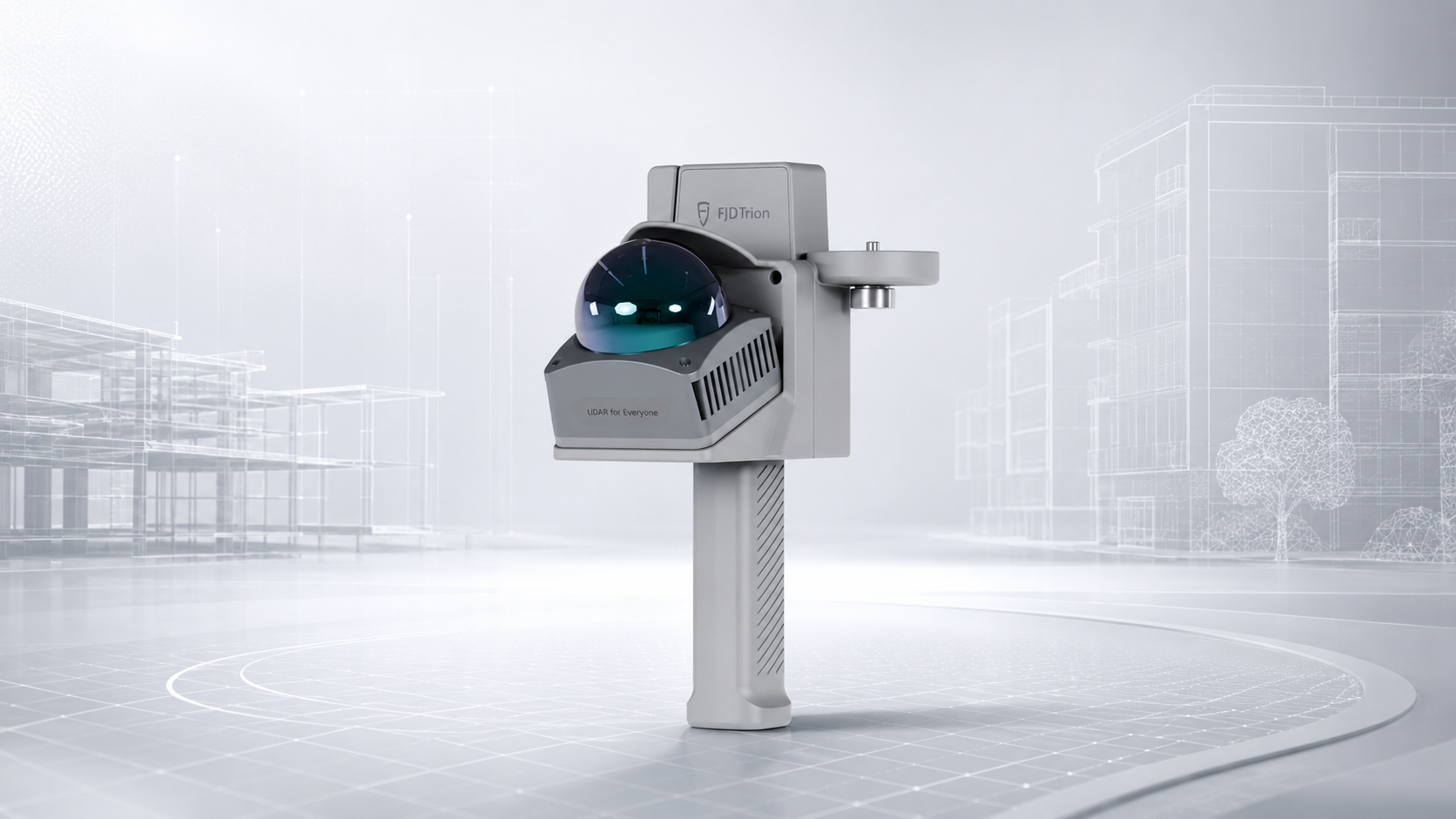
LiDAR-Apps für Mobiltelefone (wie Polycam oder Twindo) eignen sich hervorragend für schnelle Skizzen kleiner Räume, weisen jedoch bei größeren Projekten Nachteile wie kumulative Abweichungen, Reichweitenbeschränkungen (unter 5 Metern) und laufende Abonnementkosten auf. Für Sanierungsunternehmen, die Projekte mit einer Fläche von über 140 Quadratmetern betreuen, bietet die Anschaffung eines dedizierten, handgeführten 3D-LiDAR-Scanners (wie dem FJD Trion V4e) Vorteile: Er eliminiert Wandabweichungen, erfasst Innen- und Außenbereiche in einem einzigen Durchgang und spart Abonnementgebühren pro Quadratmeter.
Die Grenzen von Smartphone-LiDAR bei professionellen Umbauprojekten
Wer schon einmal ein 230 Quadratmeter großes Haus mit einer LiDAR-App auf iPhone oder iPad gescannt hat, kennt die Frustration: Zurück in Chief Architect oder AutoCAD öffnet man die Datei und stellt fest, dass die Wände nicht mehr übereinstimmen. Eine 90-Grad-Ecke ist um 7,5 Zentimeter verschoben, und die gegenüberliegende Hausseite ist völlig schief.
Dieses Phänomen – bekannt als SensordriftDas liegt daran, dass die LiDAR-Sensoren von Mobiltelefonen energiearme VCSEL-Laser mit kurzer Reichweite verwenden, die mit IMUs kombiniert sind, welche für die Bildschirmdrehung und nicht für präzise räumliche Vermessung ausgelegt sind. Zwar bieten Smartphone-Apps einen kostengünstigen Einstieg, doch birgt ihre Verwendung bei umfangreichen Hausumbau- und Erweiterungsprojekten hohe Risiken.
Smartphone-Apps vs. dedizierte Hand-LiDAR-Systeme: Ein direkter Vergleich
Um zu verstehen, warum wachsende Bauunternehmen von Verbraucher-Apps auf professionelle, tragbare LiDAR-Hardware umsteigen, lohnt sich ein Blick auf den Vergleich der Technologien unter realen Feldbedingungen:
| Merkmal / Metrik | LiDAR-Apps für Smartphones (Polycam, Twindo usw.). | Professioneller tragbarer LiDAR (FJD Trion V4e) |
|---|---|---|
| Effektive Reichweite | 10 – 16 Fuß (3–5 Meter) | Bis zu 100 Meter (328 Fuß) |
| Akkumulative Drift | Hoch (Driftet deutlich über 1.000+ Quadratfuß) | Nahezu Null (Zentimetergenauigkeit über große Gebiete) |
| Leistung im Freien und bei Tageslicht | Versagt bei direkter Sonneneinstrahlung; Probleme mit Dachflächen | Hochwertige Sensoren erfassen Außenfassaden bei vollem Tageslicht |
| Aufnahmegeschwindigkeit | Langsame Gehgeschwindigkeit erforderlich, um den Verlust der Spur zu vermeiden | Normale Gehgeschwindigkeit; kontinuierliche Innen-/Außenaufnahme |
| Preismodell | Monatliche Abonnements oder Exportsteuer pro Quadratfuß | Einmalige Hardwareinvestition; keine Exportbeschränkungen |
Die versteckte „Abonnementgebühr“ von mobilen Scan-Apps
Abgesehen von technischen Einschränkungen behindern Geschäftsmodelle von Smartphone-Apps häufig das Unternehmenswachstum. Viele beliebte Scan-Apps berechnen Auftragnehmern gestaffelte Abonnementgebühren oder Verarbeitungssteuern pro Quadratfuß zum Exportieren von verwendbaren CAD-Grundrissen oder Punktwolken.
Betrachten wir die Mathematik für einen aktiven Sanierungsunternehmer:
- Durchschnittliche Projekte pro Monat: 4 Häuser (je ca. 2.500 Quadratfuß)
- Monatlich gescannte Fläche: 10.000 Quadratfuß
- Jährliche Abonnement- und Bearbeitungsgebühren: 2.400 – 4.500 US-Dollar/Jahr
Innerhalb von drei Jahren kann ein Bauunternehmer leicht über 10.000 US-Dollar allein für Softwarekosten ausgeben – ohne auch nur ein einziges Vermessungsgerät zu besitzen. Die Umstellung auf ein dediziertes, tragbares LiDAR-System wandelt die Softwarekosten in ein abschreibungsfähiges Betriebsvermögen mit höherer Genauigkeit und ohne Exportbeschränkungen um.
Wie professionelles Handheld-LiDAR Ihren Arbeitsablauf optimiert
Wenn Sie von einer Smartphone-App auf einen handgeführten 3D-Scanner wie den FJD Trion V4e umsteigen, wird Ihr Feldprozess schneller und besser planbar:
- Einzelpassaufnahme: Durch die Vordertür gehen, den Innenraum scannen, durch die Hintertür hinausgehen und den Hof/die Terrasse scannen – alles in einer einzigen, durchgehenden Punktwolke.
- Sofortige Grundrissgenerierung: Datenverarbeitung mittels intelligenter Cloud- oder Desktop-Software zur sofortigen Ausgabe sauberer 2D-DXF/DWG-Grundrisse.
- Direkte CAD-Kompatibilität: Importieren Sie direkt in Chief Architect, AutoCAD oder Revit, ohne manuelle Ausrichtungskorrekturen oder das Beheben von verschobenen Wänden.
Häufig gestellte Fragen (FAQ)
1. Warum driftet der LiDAR-Sensor des iPhones beim Scannen großer Häuser?
Die LiDAR-Sensoren des iPhones sind für Augmented Reality (AR) im Nahbereich und Porträtaufnahmen konzipiert, nicht für großflächige Kartierungen. Beim Durchqueren eines Gebäudes summieren sich kleine Sensorfehler mit zunehmender Entfernung, wodurch Wandwinkel verzerrt und Abmessungen verfälscht werden.
2. Kann ich einen tragbaren LiDAR-Scanner im Freien bei direkter Sonneneinstrahlung verwenden?
Ja. Im Gegensatz zu LiDAR-Systemen auf Smartphones, deren Signale durch die umgebende Sonnenstrahlung beeinträchtigt werden, verwenden professionelle Hand-LiDAR-Scanner Hochleistungslaser mit Wellenlängen von 905 nm oder 1550 nm, die das Sonnenlicht herausfiltern und Außenfassaden, Dächer und die Topografie präzise erfassen.
3. Wie lange dauert es, den Umgang mit einem professionellen Hand-LiDAR-Scanner zu erlernen?
Moderne SLAM-basierte Handscanner erfordern nur minimalen Einrichtungsaufwand. Die meisten Sanierungsunternehmer lernen innerhalb von 15 Minuten nach dem Auspacken, wie man sie einschaltet, die Baustelle begeht und Punktwolkendaten exportiert.
Sind Sie bereit, keine wiederholten Messungen vor Ort mehr durchzuführen?
Entdecken Sie, wie die FJD Trion V4e Handheld LiDAR Bietet zentimetergenaue Präzision für Umbauunternehmen ohne monatliche Exportgebühren.
Erkunden Sie FJD Trion V4e LiDAR
Punktwolke zu 2D-DXF: Der einfachste automatisierte Weg
Hausanbauten: Scannen von Innen- und Außenfassaden in einem Durchgang