

Nel frenetico mondo digitale odierno, i processi di progettazione si stanno evolvendo rapidamente grazie ai progressi tecnologici. Tra le tecnologie che guidano questa trasformazione c'è Tecnologia LiDAR. Tradizionalmente, i processi di progettazione, in particolare quelli che coinvolgono geometrie complesse e precisione, erano macchinosi e richiedevano molto tempo. Tuttavia, l'integrazione di Scansione LiDAR E Scansione in CAD La tecnologia ha reso questi processi molto più efficienti. In questo articolo esploreremo come Tecnologia LiDAR sta semplificando il processo di progettazione, dalla raccolta dei dati fino a Modellazione CAD, con particolare attenzione a Lo scanner LiDAR V4e di FJD Trion.
Cos'è la tecnologia LiDAR e perché è fondamentale per la progettazione?
LiDAR sta per Rilevamento e misurazione della luce, una tecnologia di telerilevamento che utilizza impulsi laser per misurare le distanze. Emettendo raggi laser e misurando il tempo impiegato per il loro ritorno dopo aver colpito un oggetto, i sistemi LiDAR possono generare rappresentazioni 3D dettagliate dell'ambiente. Questi dati, noti come nuvola di puntiFornisce informazioni precise sulla geometria dell'oggetto o dell'ambiente scansionato.
Tecnologia LiDAR si è dimostrato prezioso in una vasta gamma di settori, dall'edilizia e dall'architettura all'archeologia e persino all'agricoltura. Nel design, è particolarmente utile perché consente ai professionisti di catturare misurazioni accurate E dati spaziali In modo rapido, senza bisogno di misurazioni manuali.
Ad esempio, nei flussi di lavoro di progettazione tradizionali, le misurazioni manuali sono spesso soggette a errori e possono richiedere molto tempo. LiDAR, d'altro canto, cattura milioni di punti dati in pochi secondi, consentendo ai progettisti di comprendere rapidamente e accuratamente le dimensioni di uno spazio. Che si tratti di una piccola stanza o di una grande proprietà commerciale, Scansione LiDAR garantisce che ogni dettaglio venga catturato, offrendo un vantaggio significativo rispetto ai metodi convenzionali.
Cos'è la scansione in CAD e come funziona?
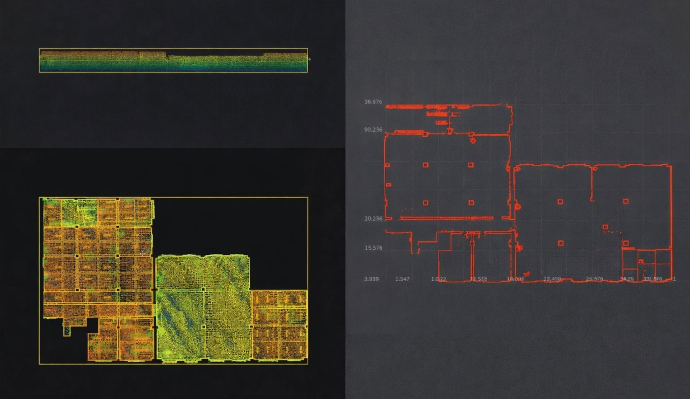
Il termine Scansione in CAD si riferisce al processo di conversione dati di scansione LiDAR, spesso sotto forma di nuvole di punti, in un CAD (progettazione assistita da computer) modello. I dati della nuvola di punti acquisiti dagli scanner LiDAR contengono milioni di punti dati che rappresentano la geometria della superficie di uno spazio o di un oggetto. Questi punti dati vengono quindi elaborati in un Modello 3D che può essere utilizzato per la progettazione, l'analisi e la visualizzazione.
Nel Processo di conversione da scansione a CAD, IL dati della nuvola di punti viene importato in un software specializzato che interpreta i dati e li converte in un maglia O modello solidoQuesti modelli sono compatibili con il software CAD e possono essere ulteriormente perfezionati e manipolati per esigenze di progettazione specifiche. Scanner LiDAR V4e di FJD Trion svolge un ruolo cruciale in questo processo fornendo scansioni ad alta risoluzione che costituiscono la base per modelli CAD accurati.
Come la tecnologia LiDAR e la scansione CAD stanno rivoluzionando il processo di progettazione.
1. Raccolta dati più rapida
L'integrazione di Scansione LiDAR E Scansione in CAD accelera significativamente il processo di raccolta dati. I metodi tradizionali di raccolta dati, come le misurazioni manuali o con il metro, sono lenti e possono essere soggetti a errori umani. Al contrario, Tecnologia LiDAR consente ai progettisti di catturare grandi quantità di dati in un brevissimo lasso di tempo. Ciò significa che i progetti possono essere completati più velocemente, con meno margine di errore.
Ad esempio, il Scanner LiDAR V4e È in grado di acquisire milioni di punti dati in pochi secondi, fornendo una mappa 3D completa dell'ambiente. Questi dati vengono poi importati senza problemi nel software CAD per ulteriori elaborazioni, con un notevole risparmio di tempo rispetto ai metodi di misurazione tradizionali.
2. Maggiore precisione
Uno dei principali vantaggi di Tecnologia LiDAR è il elevato livello di precisione fornisce. Lo scanner LiDAR V4e, in particolare, fornisce precisione al millimetroCiò lo rende ideale per applicazioni che richiedono il massimo livello di dettaglio. Questa precisione garantisce che i modelli CAD derivati da scansioni LiDAR siano affidabili e possano essere utilizzati con sicurezza per la progettazione e la produzione.
Ciò è particolarmente importante in settori come l'architettura e l'edilizia, dove anche piccole discrepanze nelle misurazioni possono portare a problemi significativi in seguito. Utilizzando LiDAR e Scansione in CADIn questo modo, i progettisti possono evitare costosi errori derivanti da misurazioni imprecise.
3. Flusso di lavoro semplificato
Integrando Scansione LiDAR nel processo di progettazione, i professionisti possono godere di un flusso di lavoro ottimizzato. Il passaggio dalle misurazioni fisiche ai modelli 3D diventa fluido e l'intero processo diventa più efficiente. Con Scansione in CAD Grazie a questa tecnologia, i progettisti possono caricare facilmente i dati di scansione LiDAR, convertirli in un modello 3D e iniziare a lavorare al progetto quasi immediatamente.
Questo flusso di lavoro supporta anche collaborazione in tempo reale. Più utenti possono accedere allo stesso modello, apportare modifiche e rivedere il progetto da posizioni diverse, il che è particolarmente utile per i team che lavorano da remoto. Inoltre, utilizzando piattaforme basate sul cloud Piace Modello web FJD Trion Garantisce che tutti i soggetti coinvolti nel progetto lavorino con la versione più recente del progetto.
4. Risparmio sui costi
Mentre l'investimento iniziale in Tecnologia LiDAR Sebbene i costi iniziali possano sembrare elevati, i risparmi a lungo termine sono significativi. Accelerando la raccolta dati e riducendo il rischio di errori, le aziende possono risparmiare tempo e denaro sui progetti. Inoltre, la scansione LiDAR elimina la necessità di un'ingente quantità di manodopera in loco, riducendo così i costi generali.
Ad esempio, il V4e LiDAR È estremamente portatile e facile da usare, riducendo i tempi di configurazione e aumentando l'efficienza del processo di scansione. Di conseguenza, i progettisti possono completare i progetti più velocemente, ottenendo tempi di consegna più rapidi e, in definitiva, operazioni più redditizie.
Caratteristiche principali dello scanner LiDAR V4e
IL Scanner LiDAR V4e da FJD Trion è specificamente progettato per soddisfare le esigenze dei professionisti in settori come l'edilizia, il design e l'architettura. Ecco alcune delle caratteristiche principali che rendono lo scanner LiDAR V4e ideale per Applicazioni di scansione per la conversione in CAD:
- Alta precisioneIl V4e fornisce misurazioni precise al millimetro, garantendo che i modelli CAD derivati da scansioni LiDAR siano estremamente accurati e affidabili.
- Raccolta dati rapidaLo scanner è in grado di acquisire milioni di punti dati in pochi secondi, consentendo una rapida raccolta di dati spaziali.
- PortabilitàIl V4e è leggero e portatile, il che lo rende facile da trasportare in diversi siti e da cui acquisire dati in vari ambienti.
- Facilità d'usoAnche per chi si avvicina per la prima volta alla scansione LiDAR, il V4e offre un'interfaccia intuitiva e funzionalità facili da usare, consentendo agli utenti di iniziare rapidamente la scansione e l'elaborazione dei dati.
- CompatibilitàIl V4e è compatibile con un'ampia gamma di software CAD, garantendo una perfetta integrazione nei flussi di lavoro esistenti.
Vantaggi della conversione da scansione a CAD per i progetti di design
1. Collaborazione migliorata
Tecnologia di conversione da scansione a CAD consente una facile condivisione dei dati di progettazione tra più membri del team. Con i dati archiviati in una piattaforma centralizzata, come Modello web FJD TrionIn questo modo, i collaboratori possono lavorare simultaneamente allo stesso progetto, fornendo feedback e apportando modifiche in tempo reale.
2. Visualizzazione migliorata
Scansione LiDAR consente ai progettisti di creare Modelli 3D che offrono una visione chiara e dettagliata dello spazio di progettazione. Ciò migliora la capacità di visualizzare il progetto finale e di identificare potenziali problemi prima dell'inizio della costruzione. Inoltre, visite virtuali E messa in scena È possibile crearli facilmente utilizzando modelli CAD, consentendo ai clienti di comprendere e approvare meglio i progetti.
3. Un processo di progettazione più efficiente
Utilizzando la scansione LiDAR e Scansione in CAD Grazie alla tecnologia, i progettisti possono ottimizzare l'intero processo di progettazione. Ciò elimina la necessità di rifare le misurazioni e consente un processo decisionale più rapido, con conseguente riduzione dei tempi di completamento del progetto.
Conclusione: Il futuro della progettazione con LiDAR e Scan to CAD
L'integrazione di Tecnologia LiDAR con Scansione in CAD Il software sta rivoluzionando il processo di progettazione. Fornendo dati estremamente precisi e semplificando i flussi di lavoro, gli scanner LiDAR come il V4e LiDAR stanno rendendo più facile che mai per i professionisti creare modelli 3D precisi che fungono da base per progetti di design di successo. Man mano che la tecnologia continua ad evolversi, l'uso di Scansione LiDAR Il design diventerà ancora più parte integrante, consentendo ai progettisti di completare i progetti più velocemente, con maggiore precisione e a costi inferiori.
Per coloro che desiderano integrarsi Scansione LiDAR nei loro flussi di lavoro di progettazione, il V4e LiDAR da FJD Trion Offre la soluzione ideale. Grazie alla sua precisione, portabilità e facilità d'uso, il V4e è uno strumento potente in grado di migliorare significativamente il processo di progettazione, aiutandoti a dare vita alle tue idee in modo più efficiente che mai.
Progettazione d'interni: dalla scansione LiDAR all'elaborazione di modelli 3D basata su cloud.
Sfruttare la scansione 3D per una modellazione architettonica e paesaggistica di precisione