


Comprendere la scansione 3D e il suo ruolo nella modellazione architettonica e paesaggistica.
Prima di addentrarci nelle applicazioni specifiche, è importante capire cosa comporta la scansione 3D. In parole semplici, la scansione 3D prevede l'utilizzo di tecnologie laser o basate sulla luce per creare un modello digitale tridimensionale di un oggetto fisico o di un ambiente. Questo modello è noto come "nuvola di punti" e cattura ogni dettaglio con incredibile precisione, inclusi la forma, le dimensioni e le relazioni spaziali degli oggetti nell'area scansionata.
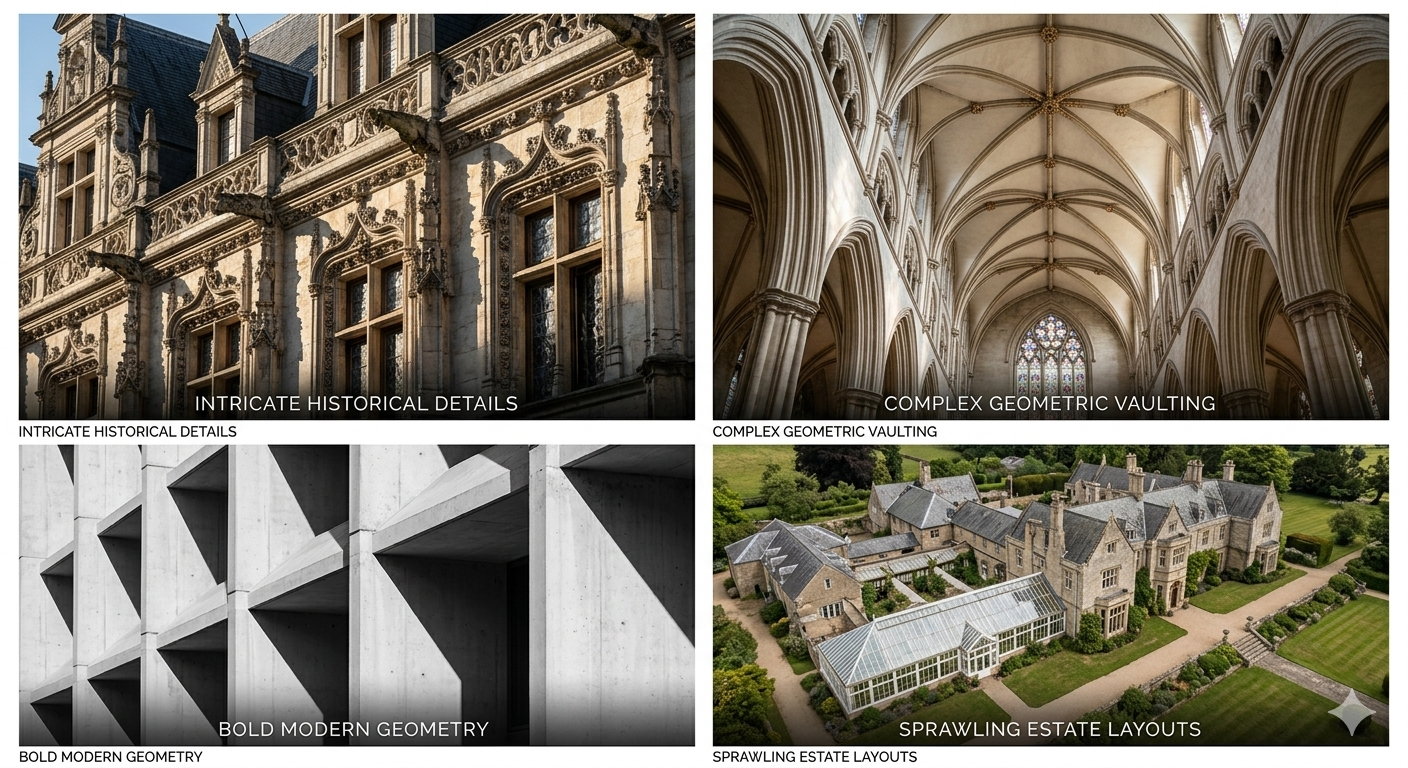
Nell'architettura e nella modellazione del paesaggio, questa tecnologia riveste un ruolo cruciale. In ambito architettonico, la scansione 3D contribuisce a creare modelli di edifici, sia esistenti che concettuali, estremamente precisi. Viene utilizzata per svariati scopi, tra cui progetti di ristrutturazione, pianificazione urbana e persino la costruzione di nuove strutture. Nella modellazione del paesaggio, la scansione 3D è utile per la conservazione e la mappatura degli ambienti naturali, migliorando la nostra capacità di studiare e proteggere gli spazi esterni.
Principali vantaggi della scansione 3D per la modellazione architettonica e paesaggistica
Precisione e dettaglio
Uno dei vantaggi più significativi della scansione 3D è l'elevato livello di precisione che offre. I metodi di misurazione tradizionali possono essere soggetti a errori, soprattutto quando si lavora con strutture complesse o ampi spazi esterni. Con la scansione 3D, architetti e paesaggisti possono ottenere modelli estremamente dettagliati e precisi, in grado di catturare anche i più piccoli elementi di una struttura o di un paesaggio. Ciò garantisce che i progetti si basino sui dati più affidabili, riducendo al minimo errori e rilavorazioni.
Velocità ed efficienza
Rispetto alle misurazioni manuali e ai metodi di rilevamento tradizionali, la scansione 3D è considerevolmente più veloce. Consente di acquisire enormi quantità di dati in una frazione del tempo. Ad esempio, un intero edificio o un paesaggio possono essere scansionati in poche ore, con un impatto minimo sul sito. Questa efficienza è particolarmente vantaggiosa nei progetti su larga scala in cui il tempo è un fattore critico, come la pianificazione urbana o la tutela del paesaggio.
Economicità
Sebbene l'investimento iniziale in apparecchiature di scansione 3D possa essere significativo, i risparmi a lungo termine sono considerevoli. La precisione della scansione 3D riduce la necessità di rilavorazioni e contribuisce a prevenire costosi errori durante la costruzione o la progettazione. Inoltre, la scansione 3D elimina la necessità di misurazioni manuali, con conseguente risparmio di tempo e costi di manodopera.
Scansione 3D in applicazioni architettoniche
Modellazione delle informazioni di costruzione (BIM)
Uno dei più importanti Applicazioni della scansione 3D in architettura Il suo ruolo principale risiede nel Building Information Modeling (BIM). Il BIM è un processo che prevede la creazione di una rappresentazione digitale delle caratteristiche fisiche e funzionali di un edificio. Integrando la scansione 3D nei flussi di lavoro BIM, architetti e professionisti del settore edile possono creare modelli più accurati, favorendo una migliore collaborazione e un coordinamento più efficace del progetto.
Il FJD Trion P2 e Scanner LiDAR V4e Sono ideali per acquisire dati precisi che possono essere integrati senza problemi nel software BIM. Questa integrazione garantisce che tutti i membri del team, dai progettisti agli appaltatori, lavorino con gli stessi dati accurati, riducendo errori e incomprensioni durante il progetto.
Progetti di ristrutturazione e restauro
Per gli edifici o le strutture storiche che necessitano di ristrutturazione o restauro, la scansione 3D rappresenta una risorsa preziosa. Catturando in dettaglio lo stato attuale di un edificio, la scansione 3D consente agli architetti di comprenderne la struttura e i materiali. Questi dati vengono poi utilizzati per pianificare gli interventi di restauro, garantendo che il risultato finale sia il più fedele possibile all'originale.
Nei progetti di ristrutturazione, l'utilizzo della scansione 3D può far risparmiare tempo e ridurre i costi fornendo dati precisi che eliminano la necessità di congetture o tentativi ed errori. La precisione dei dati garantisce che tutti gli aspetti del restauro, dalla disposizione degli spazi ai materiali utilizzati, siano accurati.
Pianificazione e progettazione urbana
La scansione 3D è ampiamente utilizzata anche nella pianificazione e progettazione urbana. I progettisti urbani possono scansionare ampi ambienti urbani per creare modelli digitali di interi quartieri o distretti. Questi dati vengono utilizzati per orientare le decisioni in materia di infrastrutture, trasporti e uso del territorio.
Grazie alla scansione 3D, i progettisti urbani possono visualizzare l'impatto di un nuovo progetto sull'area circostante, garantendo che la progettazione si integri con le strutture e le infrastrutture esistenti. Inoltre, la scansione 3D aiuta a modellare fattori ambientali come la luce solare, le ombre e i modelli di vento, elementi cruciali per uno sviluppo urbano sostenibile.
Scansione 3D per la modellazione del paesaggio
Conservazione dell'ambiente
Nell'ambito delle attività di conservazione, la scansione 3D offre un metodo per documentare e preservare i paesaggi naturali con precisione. Che si tratti di catturare i dettagli di una foresta, di un parco o di una zona umida, la scansione 3D consente ad ambientalisti e scienziati di creare modelli digitali utilizzabili per analisi e monitoraggio futuri. Questi modelli forniscono una base di riferimento per valutare i cambiamenti del paesaggio nel tempo, aspetto fondamentale per monitorare l'impatto dei cambiamenti climatici, dell'erosione o delle attività umane.
Progettazione del paesaggio
Architetti e paesaggisti utilizzano la scansione 3D per modellare gli spazi esterni, dai piccoli giardini ai grandi parchi pubblici. Grazie a modelli accurati e dettagliati, i progettisti possono sperimentare diversi elementi di design e visualizzare come interagiranno con l'ambiente circostante. Ad esempio, la scansione 3D può acquisire dati topografici che aiutano i progettisti a creare progetti che rispettino i contorni naturali del terreno.
Prodotti FJD Trion per la scansione di precisione
Per raggiungere il livello di dettaglio e precisione richiesto per la modellazione architettonica e paesaggistica, è fondamentale disporre degli strumenti giusti. FJD Trion offre soluzioni di scansione avanzate come gli scanner LiDAR P2 e V4e, entrambi progettati per fornire dati ad alta precisione per un'ampia gamma di applicazioni.
IL Scanner FJD Trion P2 è noto per la sua versatilità e affidabilità. È ideale sia per la scansione architettonica che per quella paesaggistica, fornendo agli utenti una soluzione completa per l'acquisizione di dati dettagliati in tempo reale. Lo scanner LiDAR V4e, d'altro canto, è specificamente progettato per progetti su larga scala, offrendo una portata e una precisione eccezionali per ambienti complessi.
Entrambi questi strumenti sono dotati della più recente tecnologia di scansione, che consente ai professionisti di creare modelli 3D con precisione ed efficienza ineguagliabili. Che si tratti di un piccolo progetto di ristrutturazione o di una grande iniziativa di pianificazione urbana, i prodotti FJD Trion offrono gli strumenti necessari per ottenere i migliori risultati.
Conclusione
L'integrazione della scansione 3D nei flussi di lavoro di modellazione architettonica e paesaggistica ha rivoluzionato il modo in cui i professionisti affrontano la progettazione, la costruzione e la conservazione. Sfruttando strumenti avanzati come la Grazie agli scanner LiDAR P2 e V4e di FJD Trion, architetti, designer e urbanisti possono acquisire dati estremamente precisi, ottenendo risultati migliori e processi più efficienti. Che si tratti del restauro di un edificio storico, di un nuovo progetto architettonico o di un intervento di conservazione del paesaggio, la scansione 3D offre la precisione, la velocità e la convenienza necessarie per dare vita alla vostra visione.
Per ulteriori informazioni sui prodotti FJD Trion e su come possono aiutarti nel tuo prossimo progetto, visita il nostro negozio.
Dalla scansione al CAD: come la tecnologia LiDAR sta semplificando il processo di progettazione.
Cos'è SLAM LiDAR? Come FJD Trion sta rivoluzionando la mappatura mobile.