
UN Scanner LiDAR È molto più di un semplice strumento di misurazione. Aiuta i professionisti a catturare ambienti reali sotto forma di dati 3D accurati per la progettazione, la costruzione, il rilevamento, la cartografia, la documentazione e la modellazione digitale.
Per i team che necessitano di una cattura della realtà più rapida e di informazioni sul sito più affidabili, soluzioni di scansione 3D Offre un modo pratico per trasformare gli spazi fisici in nuvole di punti, planimetrie, disegni CAD, riferimenti BIM, modelli 3D e documentazione visiva. Che si tratti di scansionare l'interno di un edificio, un cantiere, la scena di un incidente o un ambiente esterno, la tecnologia LiDAR portatile può rendere il flusso di lavoro più rapido ed efficiente.
In questa guida imparerai:
- Che cosa sono le soluzioni di scansione 3D e come funziona la scansione LiDAR
- Perché gli scanner LiDAR portatili e palmari sono utili per progetti concreti.
- Come i dati delle nuvole di punti supportano CAD, BIM, planimetrie e modelli 3D
- Quali settori industriali traggono vantaggio dalla scansione LiDAR 3D?
- Come scegliere lo scanner LiDAR più adatto al proprio flusso di lavoro
Che cosa sono le soluzioni di scansione 3D?
soluzioni di scansione 3D Si tratta di strumenti e flussi di lavoro utilizzati per acquisire la forma, le dimensioni e i dettagli spaziali di ambienti reali. Invece di misurare tutto manualmente, i professionisti possono utilizzare uno scanner LiDAR 3D per raccogliere dati spaziali digitali e trasformarli in informazioni di progetto utilizzabili.
I dati acquisiti vengono solitamente elaborati in un nuvola di punti 3D, che è una rappresentazione digitale composta da milioni di punti di misurazione. Questa nuvola di punti può quindi essere utilizzata per misurazione, documentazione, modellazione, progettazione, ispezione o visualizzazione.
Per molti settori, questo significa che i team possono lavorare a partire da dati precisi sul sito, anziché affidarsi esclusivamente ad appunti manuali, foto e disegni obsoleti.
Che cos'è uno scanner LiDAR?
UN Scanner LiDAR Utilizza la luce laser per misurare le distanze. Invia impulsi laser verso le superfici circostanti e calcola il tempo impiegato dal segnale per tornare indietro. Ripetendo rapidamente questo processo, lo scanner acquisisce informazioni 3D dettagliate sull'ambiente.
Gli scanner LiDAR moderni possono aiutare gli utenti a catturare stanze, edifici, strade, scene di incidenti, cantieri edili e aree esterne. Il risultato è una registrazione digitale misurabile che può supportare cattura della realtàRevisione del progetto, pianificazione della ristrutturazione, flussi di lavoro CAD, modellazione BIM e documentazione di progetto.
Perché gli scanner LiDAR portatili stanno cambiando la cattura della realtà
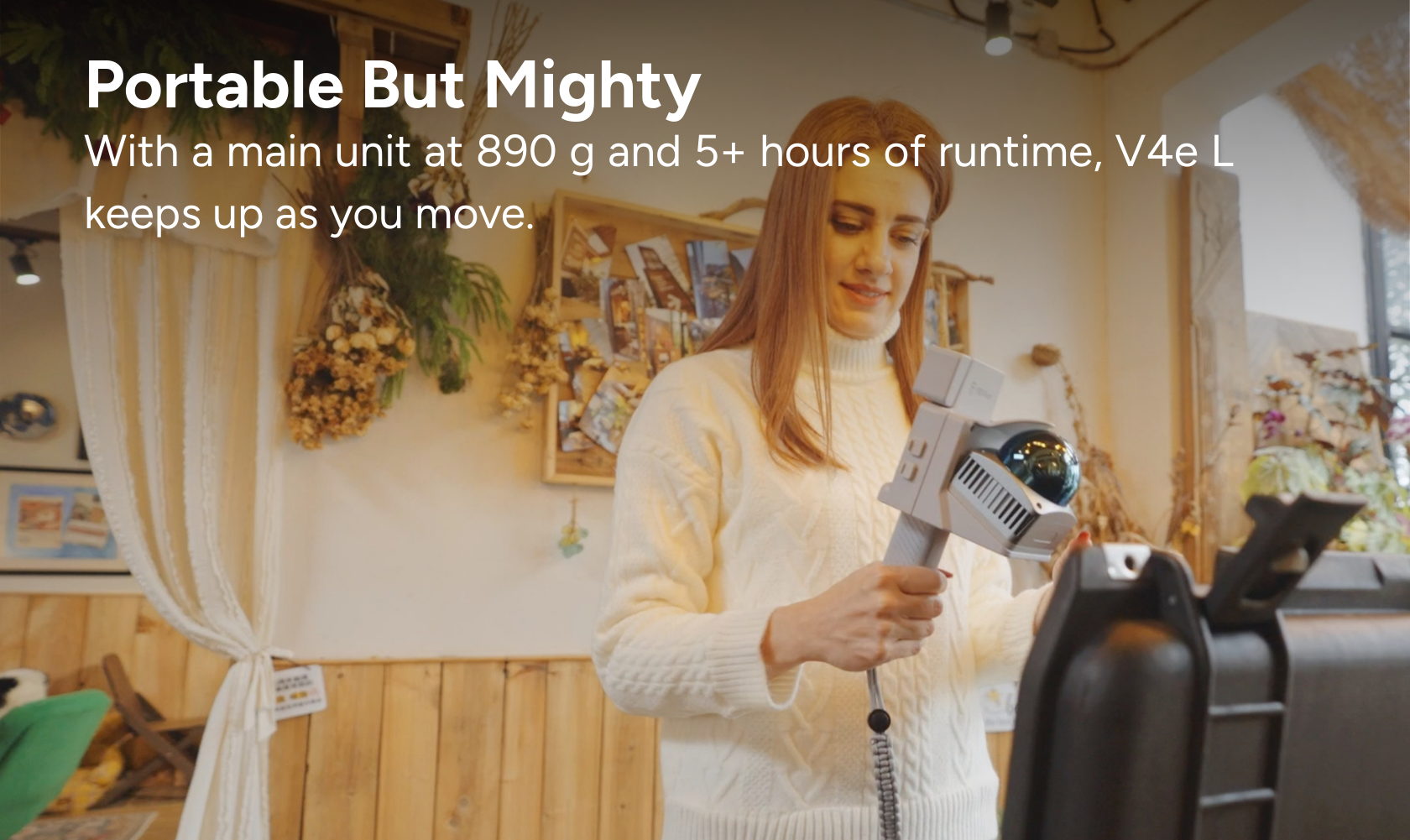
I metodi tradizionali di rilevamento e misurazione possono essere accurati, ma spesso richiedono più tempo di preparazione, lavoro manuale o ripetute visite in loco. scanner LiDAR portatile Semplifica l'acquisizione 3D consentendo agli utenti di eseguire scansioni mentre si muovono all'interno di uno spazio.
Rispetto alle apparecchiature fisse o alle misurazioni manuali, uno scanner LiDAR portatile può essere più flessibile per il lavoro sul campo quotidiano, soprattutto in ambienti complessi o in continua evoluzione.
Principali vantaggi della scansione 3D portatile
- Acquisizione del sito più rapida: Scansiona gli spazi interni ed esterni in modo più efficiente.
- Dati più completi: Cattura muri, pavimenti, soffitti, oggetti, aperture e dettagli del sito sotto forma di dati di nuvola di punti.
- Funzionamento flessibile: Utilizzare scanner portatili in stanze, corridoi, cantieri, scene di incidenti e aree esterne.
- Documentazione digitale: Creare registrazioni misurabili per la progettazione, la costruzione, l'ispezione o la redazione di report.
- Migliore collaborazione: Condividi nuvole di punti, planimetrie, modelli 3D o dati pronti per il CAD con i team di progetto.
Come funziona la scansione LiDAR 3D
UN Scanner LiDAR 3D Acquisisce dati spaziali dall'ambiente e li trasforma in un modello digitale o in una nuvola di punti. In molti flussi di lavoro di scansione mobile, lo scanner utilizza la tecnologia SLAM, acronimo di Simultaneous Localization and Mapping (localizzazione e mappatura simultanea). Questo permette allo scanner di tracciare la propria posizione mentre crea una mappa dello spazio circostante.
Un tipico flusso di lavoro di scansione include:
- Catturare: Percorri l'area con uno scanner LiDAR portatile o mobile.
- Processo: Converti i dati grezzi della scansione in una nuvola di punti o in un dataset 3D.
- Misura: Utilizza i dati per verificare dimensioni, distanze, aree e dettagli del sito.
- Esportare: Preparare output quali planimetrie, disegni CAD, riferimenti BIM o modelli 3D.
- Condividere: Utilizzate i dati digitali per la revisione da parte del team, la comunicazione con i clienti, la documentazione o la pianificazione del progetto.
Applicazioni comuni delle soluzioni di scansione 3D
Diversi settori utilizzano la scansione 3D in modi diversi. Il valore della scansione LiDAR risiede nella sua capacità di acquisire dati precisi e riutilizzabili del sito, che possono supportare molteplici flussi di lavoro.
Progettazione e ristrutturazione di interni
Per interior designer, architetti e team di ristrutturazione, la scansione LiDAR consente di rilevare rapidamente le condizioni esistenti degli ambienti. I dati acquisiti possono essere utilizzati per la creazione di planimetrie, modelli 3D, documentazione as-built e visualizzazioni di progetto.
Ciò è particolarmente utile per edifici più vecchi, planimetrie irregolari, appartamenti, interni commerciali e progetti di ristrutturazione in cui i disegni esistenti potrebbero essere mancanti o obsoleti.
Visualizza il flusso di lavoro di progettazione d'interni
Costruzione e ingegneria
I team di costruzione possono utilizzare la scansione 3D per documentare le condizioni del cantiere, monitorare i progressi, confrontare le condizioni esistenti con i progetti e supportare la documentazione as-built. Uno scanner LiDAR portatile può contribuire a ridurre il lavoro di misurazione manuale e fornire un riferimento digitale ai team di ingegneri.
Per appaltatori e ingegneri, i dati delle nuvole di punti possono essere utili per la registrazione dei progressi, la verifica del sito, la pianificazione delle ristrutturazioni e il coordinamento tra i team.
Scansione in CAD
Scansione in CAD I flussi di lavoro aiutano i professionisti a convertire ambienti reali in disegni pronti per il CAD. Dopo la scansione, i dati della nuvola di punti possono essere utilizzati per creare o supportare disegni DWG/DXF, planimetrie, sezioni e altra documentazione di progettazione.
Questo è prezioso per i flussi di lavoro di ristrutturazione, architettura, costruzione, ingegneria e documentazione degli impianti, dove è importante conoscere con precisione le condizioni esistenti.
Scansione per BIM
Scansione per BIM Aiuta i team a rilevare gli edifici esistenti e a utilizzare i dati della nuvola di punti come riferimento per la modellazione BIM, la pianificazione delle ristrutturazioni e la documentazione as-built. Invece di partire da disegni incompleti, progettisti e ingegneri possono lavorare a partire da una registrazione digitale più accurata del sito reale.
Nei progetti edilizi, i flussi di lavoro di conversione da scansione a BIM possono contribuire a ridurre il lavoro manuale, migliorare il coordinamento e supportare la gestione a lungo termine dell'edificio.
Rilevamento topografico e cartografia
I topografi e i professionisti della cartografia utilizzano la scansione LiDAR per raccogliere dati spaziali relativi a terreni, strade, infrastrutture, morfologia e ambienti costruiti. Uno scanner 3D portatile può aiutare a rilevare aree complesse in modo efficiente e a produrre nuvole di punti per analisi, misurazioni e documentazione.
Indagine sugli incidenti stradali
Nell'ambito delle indagini sugli incidenti stradali, la scansione LiDAR può contribuire a documentare le scene degli incidenti in modo rapido e preciso. Gli investigatori possono acquisire la posizione dei veicoli, le condizioni stradali, le aree di impatto e le prove circostanti sotto forma di dati digitali 3D.
Ciò contribuisce a ridurre i tempi di intervento sul posto, a preservare i dettagli della scena e a supportare le analisi successive con prove digitali misurabili.
Architettura storica e gemelli digitali
La scansione 3D è utile anche per l'architettura storica, la documentazione del patrimonio culturale e la creazione di gemelli digitali. Gli scanner LiDAR portatili possono acquisire dettagli complessi degli edifici, facciate, interni e caratteristiche strutturali per la conservazione, la modellazione o la pianificazione del restauro.
Risultati della scansione 3D: cosa si può creare da una scansione LiDAR?
Il valore di una scansione LiDAR dipende da come vengono utilizzati i dati. Con il flusso di lavoro corretto, i dati della scansione possono supportare diverse tipologie di risultati.
| Produzione | Come aiuta |
|---|---|
| Nuvola di punti | Fornisce una registrazione 3D misurabile dell'ambiente scansionato. |
| Planimetrie | Aiuta interior designer, architetti e team di ristrutturazione a documentare le planimetrie esistenti. |
| Disegni CAD | Supporta i flussi di lavoro di conversione da scansione a CAD per disegni DWG/DXF e documentazione di progettazione. |
| Riferimenti BIM | Fornisce dati precisi sullo stato attuale delle cose per la modellazione BIM e la pianificazione della ristrutturazione. |
| Modelli 3D | Aiuta i team a visualizzare gli spazi, comunicare idee e creare documentazione digitale dei progetti. |
| Documentazione digitale | Fornisce supporto per la documentazione relativa ai lavori di costruzione, i rapporti sugli incidenti, la gestione delle strutture e l'analisi del sito. |
Come scegliere lo scanner LiDAR giusto
La scelta dello scanner LiDAR migliore dipende dal tipo di progetto, dalla precisione richiesta, dall'ambiente di scansione e dalle esigenze di output. Prima di scegliere uno scanner, è importante considerare come verranno utilizzati i dati acquisiti dopo la scansione.
- Portabilità: Scegli uno scanner portatile o mobile se hai bisogno di scansionare velocemente stanze, cantieri o aree esterne.
- Precisione: Adatta la precisione dello scanner al tuo flusso di lavoro, che si tratti di progettazione, documentazione, edilizia o cartografia.
- Esibizioni al chiuso e all'aperto: Valuta se devi scansionare interni, esterni o entrambi.
- Qualità della nuvola di punti: Nuvole di punti dense e nitide possono favorire una migliore misurazione, modellazione e documentazione.
- Flusso di lavoro del software: Verifica se lo scanner supporta misurazioni, planimetrie, esportazioni CAD, riferimenti BIM o modelli 3D.
- Facilità d'uso: Una soluzione pratica di scansione 3D dovrebbe essere facile da imparare e da utilizzare per i team sul campo.
Come FJD Trion supporta i flussi di lavoro di scansione 3D nel mondo reale
FJD Trion offre scanner LiDAR portatili e flussi di lavoro di scansione 3D per i professionisti che necessitano di un'acquisizione della realtà rapida e affidabile. Dagli spazi interni ai siti esterni, le soluzioni LiDAR di FJD Trion aiutano gli utenti ad acquisire dati del mondo reale e a trasformarli in output digitali utili.
A seconda del flusso di lavoro, gli scanner FJD Trion possono supportare:
- Scansione per la progettazione e la ristrutturazione di interni
- Documentazione di costruzione e ingegneria
- Flussi di lavoro di scansione in CAD e scansione in BIM
- Progetti di rilevamento e cartografia
- documentazione della scena dell'incidente stradale
- Architettura storica e progetti di gemello digitale
Se hai bisogno di uno scanner LiDAR portatile per il lavoro sul campo di tutti i giorni, IL FJD Trion V4e LiDAR è progettato per la cattura 3D pratica in molteplici flussi di lavoro professionali. Per gli utenti che necessitano di mappatura manuale avanzata o di documentazione di progetto più ampia, è possibile esplorare anche FJD Trion P1 E FJD Trion P2.
Pronti a catturare ambienti reali trasformandoli in dati 3D accurati?
Scopri gli scanner LiDAR portatili FJD Trion e trova la soluzione di scansione 3D più adatta al tuo flusso di lavoro.
Visualizza il LiDAR FJD Trion V4e | Esplora la conversione da scansione a CAD | Visualizza il flusso di lavoro di progettazione d'interni
Domande frequenti
Che cos'è una soluzione di scansione 3D?
Una soluzione di scansione 3D è una combinazione di hardware e software utilizzata per acquisire spazi o oggetti del mondo reale come dati digitali 3D. Può supportare nuvole di punti, misurazioni, disegni CAD, riferimenti BIM, planimetrie e modelli 3D.
A cosa serve uno scanner LiDAR?
Uno scanner LiDAR viene utilizzato per acquisire dati spaziali precisi da ambienti reali. Trova impiego comunemente nella documentazione di costruzione, nella progettazione d'interni, nei rilievi topografici, nella cartografia, nella conversione da scansione a CAD e BIM, nelle indagini sugli incidenti e nella creazione di gemelli digitali.
Che cos'è una nuvola di punti?
Una nuvola di punti è una raccolta di punti di misurazione acquisiti da uno scanner 3D. Rappresenta la forma e la posizione delle superfici in un ambiente scansionato e può essere utilizzata per flussi di lavoro di misurazione, modellazione, CAD, BIM e documentazione.
È possibile utilizzare le scansioni LiDAR per i disegni CAD?
Sì. I dati di scansione LiDAR possono supportare i flussi di lavoro di conversione da scansione a CAD. Le nuvole di punti possono essere utilizzate come riferimento per creare disegni CAD, planimetrie, sezioni e altra documentazione di progettazione.
È possibile utilizzare gli scanner LiDAR portatili sia in ambienti interni che esterni?
Molti scanner LiDAR portatili possono essere utilizzati sia per la scansione in ambienti interni che esterni. La scelta giusta dipende dalla precisione richiesta, dalle dimensioni del progetto, dall'ambiente di scansione e dalle esigenze di output.
In conclusione: scegli una soluzione di scansione 3D adatta al tuo flusso di lavoro.
Le soluzioni di scansione 3D aiutano i professionisti a catturare il mondo reale più velocemente e a trasformare le condizioni del sito in dati digitali utilizzabili. Che il tuo lavoro riguardi interior design, ristrutturazione, costruzione, rilevamento, indagine sugli incidenti, scansione per CAD, scansione per BIM o creazione di gemelli digitali, la scansione LiDAR può rendere la misurazione e la documentazione più efficienti.
Scegliendo uno scanner LiDAR portatile adatto al tuo flusso di lavoro, il tuo team potrà acquisire nuvole di punti accurate, creare output di progetto utili e prendere decisioni migliori basate su dati reali.
Scansiona il tifo, lancia l'anno: 3DGS Magic con FJD V4e Combo
Cosa puoi fare con uno scanner LiDAR?