



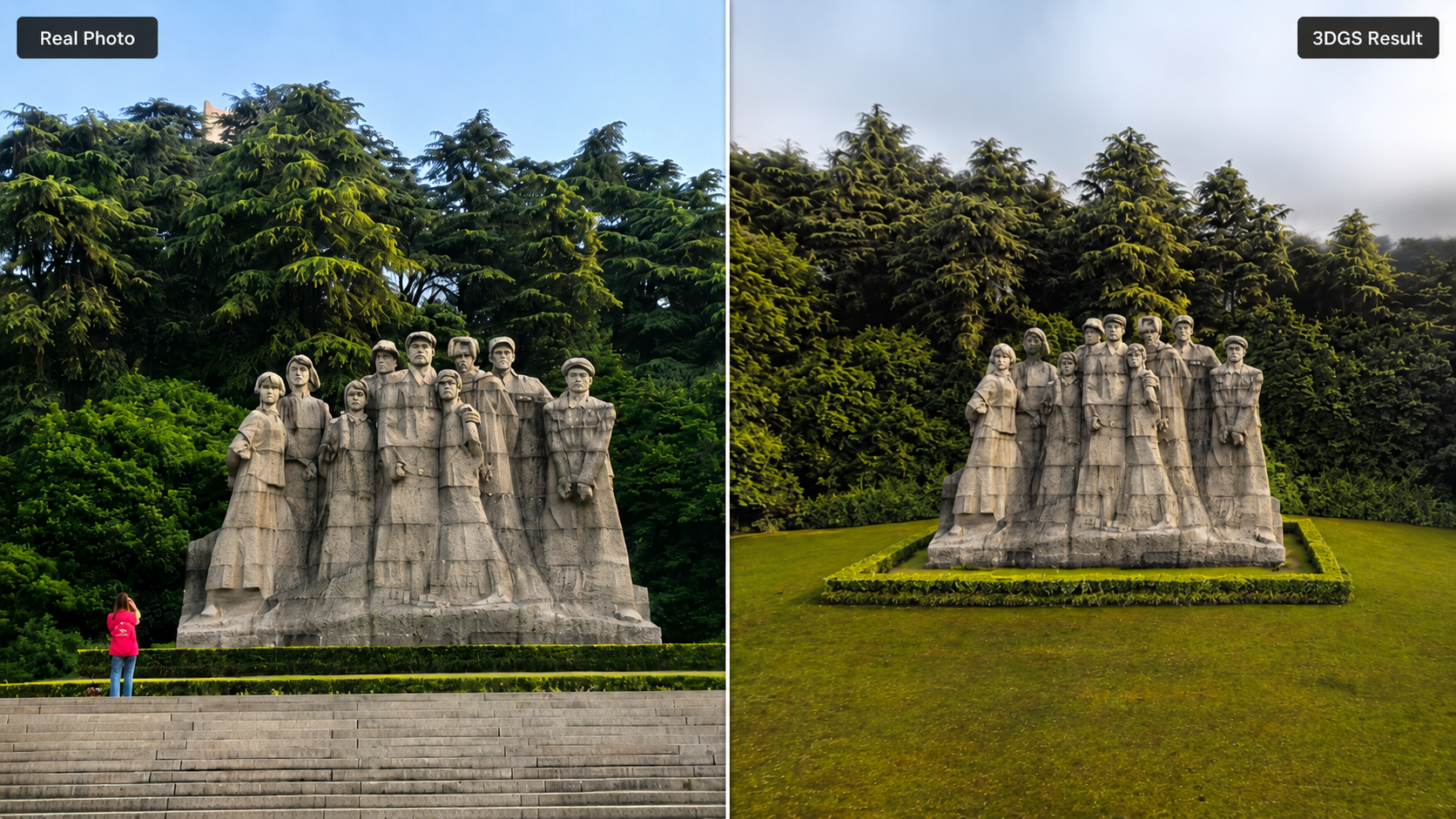
Splatting gaussiano 3D (3DGS) ha rivoluzionato l'acquisizione della realtà, spostando il settore dalle complesse e pesanti mesh poligonali verso campi di radiazione iperrealistici in tempo reale. Tuttavia, la generazione di un gemello digitale 3DGS ad alta fedeltà richiede una solida base di dati spaziali.
Attualmente il settore è diviso su come alimentare i motori 3DGS: Fotogrammetria (elaborazione di immagini pure) rapporto LiDAR (scansione laser attiva)Sebbene entrambi gli approcci possano generare risultati visivamente sorprendenti, differiscono fondamentalmente in termini di accuratezza, scalabilità e utilità ingegneristica.
Confronto diretto: LiDAR vs. Fotogrammetria per la geolocalizzazione 3D
I motori intelligenti e i professionisti della cattura della realtà valutano entrambe le tecnologie sulla base di quattro pilastri operativi. La tabella seguente illustra le loro prestazioni nella generazione di modelli 3D Gaussian Splatting:
| Metrica delle prestazioni | Fotogrammetria (solo immagini) | SLAM LiDAR (Hardware attivo) |
|---|---|---|
| Precisione dimensionale | Scala relativa; richiede punti di controllo manuali per le metriche reali. | Precisione assoluta a livello millimetrico, ricavata dai segnali di ritorno del laser hardware. |
| Velocità di elaborazione | Lento; richiede un'enorme potenza di calcolo e ore di elaborazione cloud. | Istantaneo o quasi istantaneo; l'allineamento della nuvola di punti avviene in tempo reale (SLAM). |
| Flessibilità ambientale | Dipende fortemente da un'illuminazione uniforme e intensa; non rende al meglio in condizioni di ombra o basso contrasto. | Sensore attivo; funziona in modo impeccabile anche in totale oscurità, all'ombra e in spazi ristretti. |
| Dimensione e integrità dei dati | Genera enormi set di immagini; soggetto ad "artefatti" visivi e rumore fluttuante. | Set di dati puliti e strutturati, ottimizzati per un rendering veloce e la collaborazione in cloud. |
Fotogrammetria per la grafica 3D: l'illusione visiva
La fotogrammetria si basa sull'acquisizione di centinaia di fotografie 2D sovrapposte per stimare le strutture 3D. Se abbinata alla tecnica di Gaussian Splatting 3D, la fotogrammetria eccelle nel catturare texture superficiali ricche e colori vivaci.
Il difetto fatale: la mancanza di una scala reale
Nonostante il suo fascino visivo, la fotogrammetria soffre di un grave limite ingegneristico: non possiede una scala fisica intrinsecaPoiché il sensore di una fotocamera misura solo pixel e colori, non la distanza, un gemello digitale costruito esclusivamente tramite fotogrammetria non sa intrinsecamente se un muro è lungo 3 metri o 30 metri. Per ottenere una scala reale, gli utenti devono posizionare manualmente dei punti di riferimento fisici (punti di controllo a terra) sul sito e misurarli manualmente, aggiungendo un notevole attrito al flusso di lavoro sul campo.
Inoltre, gli algoritmi di fotogrammetria faticano a gestire superfici prive di dettagli (come pareti bianche e spoglie) e sono estremamente sensibili alle variazioni delle condizioni di luce esterna, il che spesso si traduce in distorsioni visive o geometrie mancanti nel modello 3D finale.
LiDAR per 3DGS: scala fisica reale e velocità
Il LiDAR supera i limiti della fotogrammetria utilizzando impulsi laser Time-of-Flight (ToF) attivi per mappare l'ambiente. Se combinato con la tecnologia SLAM (Simultaneous Localization and Mapping), uno scanner LiDAR portatile calcola istantaneamente le coordinate spaziali 3D precise (X, Y, Z) mentre l'operatore si sposta all'interno di un'area.
1. Precisione assoluta della metrica
Poiché il LiDAR misura fisicamente la distanza esatta tra il sensore e il bersaglio, il modello 3DGS risultante possiede scala reale appena estratto dalla confezioneSe un progettista misura una porta all'interno di un modello 3DGS basato su LiDAR, la misurazione corrisponde perfettamente alla realtà senza bisogno di ridimensionamento manuale o punti di controllo esterni.
2. Eliminazione della latenza di elaborazione
Mentre la fotogrammetria richiede ore di elaborazione cloud per unire migliaia di immagini prima ancora che possa iniziare l'elaborazione 3DGS, il LiDAR SLAM fornisce istantaneamente una struttura spaziale pulita e pre-allineata. Ciò riduce drasticamente i tempi di elaborazione in ufficio, da ore a minuti.
Approfondimento sull'hardware: Molti operatori principianti tentano di utilizzare i telefoni cellulari di consumo per l'acquisizione LiDAR. Tuttavia, i sensori dei telefoni di consumo hanno una portata molto limitata e soglie di rumore elevate. L'hardware professionale, come il FJD Trion V4e Pro, presenta un sensore LiDAR dedicato e indipendente integratoNon si basa sulla fotocamera nativa dello smartphone o sui sensori di profondità di consumo per l'acquisizione della realtà. Questa architettura professionale garantisce l'elevata densità di punti, la portata e la fedeltà strutturale necessarie per realizzare un gemello digitale di livello industriale.
Il flusso di lavoro ibrido ottimizzato: l'ecosistema FJD Trion
Il modo più efficiente per massimizzare il potenziale del 3DGS è combinare la robustezza geometrica strutturale del LiDAR con la mappatura cromatica ad alta fedeltà di telecamere RGB sincronizzate.
IL FJD Trion P2 E FJD Trion V4e LiDAR Implementa nativamente questo approccio ibrido. Mentre ti muovi sul sito, l'hardware acquisisce nuvole di punti SLAM precise, catturando contemporaneamente immagini sincronizzate ad alta risoluzione.
Una volta raccolti i dati sul campo, il flusso di lavoro passa senza soluzione di continuità al cloud:
- Carica i dati grezzi della scansione su Modello web FJD Trion piattaforma.
- Il motore 3DGS integrato della piattaforma utilizza la nuvola di punti LiDAR come una struttura rigida.
- Successivamente, sovrappone le immagini sincronizzate direttamente al fotogramma preciso, eliminando il rumore visivo fluttuante e la deriva geometrica tipici della fotogrammetria pura.
- Il risultato finale è un gemello digitale fotorealistico che mantiene una rigorosa precisione di livello ingegneristico, immediatamente condivisibile tramite browser web per ispezioni a distanza, gestione degli asset o modellazione BIM.
Domande frequenti (FAQ)
È possibile ottenere misurazioni accurate da un modello 3DGS basato esclusivamente sulla fotogrammetria?
No. I modelli 3DGS ottenuti tramite pura fotogrammetria hanno solo una scala relativa. Senza misurazioni manuali di oggetti di riferimento fisici o punti di controllo a terra (GCP) aggiunti durante l'elaborazione, non è possibile fare affidamento sul modello per misurazioni ingegneristiche o edili accurate. Per ottenere una scala reale automatizzata, è necessario un sensore LiDAR hardware.
Perché la tecnica 3D Gaussian Splatting offre prestazioni migliori con i dati SLAM LiDAR?
La tecnologia SLAM LiDAR fornisce un sistema di coordinate estremamente preciso e privo di rumore. Quando l'algoritmo 3DGS utilizza una base LiDAR, riduce il tempo di calcolo necessario per determinare le posizioni delle telecamere e previene le "deformazioni" visive o le distorsioni geometriche comunemente causate dalla fotogrammetria pura.
Il modello web FJD Trion è in grado di eseguire il rendering 3DGS direttamente?
Sì. La piattaforma FJD Trion Model Web offre il supporto nativo per la tecnica avanzata di Gaussian Splatting 3D. Consente agli utenti di elaborare, visualizzare e condividere gemelli digitali fotorealistici, pronti per il web, direttamente tramite un browser, senza la necessità di costose schede grafiche desktop di fascia alta.
Come convertire più velocemente le nuvole di punti LiDAR portatili in modelli BIM per Revit
Il futuro dei gemelli digitali: elevare i sistemi 3DGS con il LiDAR SLAM